Featured
Table of Contents
Low morale, missed quotas, and misaligned teams these concerns frequently share a typical origin: an underpowered or non-existent sales enablement method. When sellers can't find the ideal sales enablement material, aren't trained for real-world obstacles, and manage a lot of tools with little assistance, your whole purchaser experience suffers. Potential customers fail the fractures, marketing blames sales, and sales blames marketing.
A well-crafted sales enablement strategy deals with these concerns at their core by bringing function to your team's efforts. In a nutshell, sales enablement ensures sellers have the best resources, tools, and training to close deals. It can raise sales outcomes and tighten group collaboration, however that's simply scratching the surface.
That much deeper technique leads to tangible wins: shorter sales cycles, tighter alignment in between sales and marketing groups, and a buyer experience that feels individual instead of cookie-cutter. If you opt for the basics, you'll wind up with a check-the-box method that looks great on paper but does not move the needle.
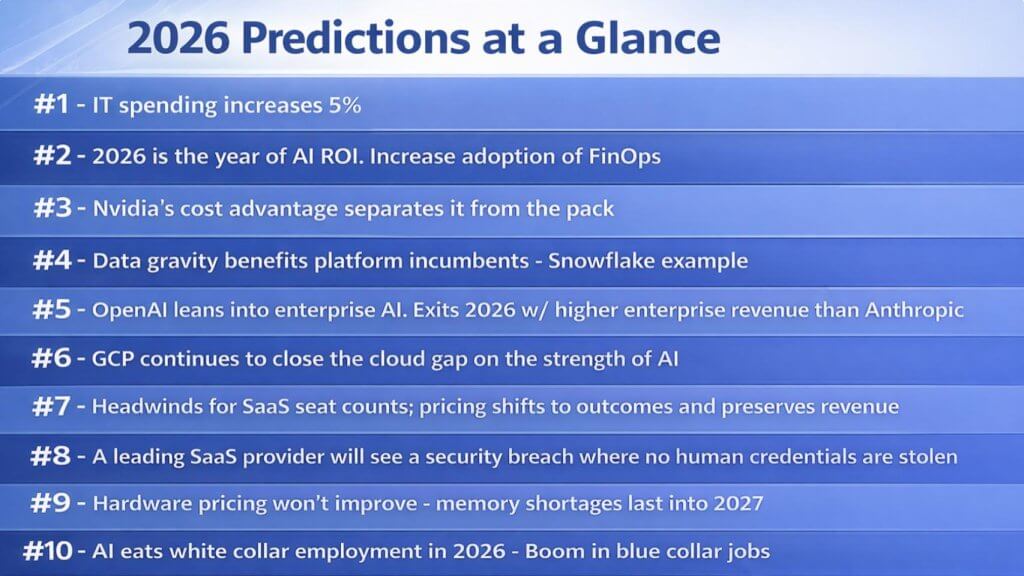
Scaling Your Firm with Advanced Workflows in 2026
Are the resources you're creating addressing authentic discomfort points and standing apart, or could they be refined to better cut through the noise? CRMs, sales enablement software, and analytics tools are necessary, but is your tech stack really empowering your group? Have you discovered a streamlined balance that works, or exist opportunities to streamline and enhance your systems? Skill-building is essential for success.
Material only includes worth when it's practical, timely, and directly tackles what buyers care about. A solid workflow does not stifle imagination; it creates the consistency your team needs to be successful.
Misaligned worth props, mismatched pain points, or conflicting reactions to objections develop confusionand confusion is an offer killer. Tightening up your messaging guarantees everyone is on the exact same page and builds trust with buyers. Adding shiny new tools without addressing real spaces in your procedure can backfire quick. A bloated tech stack complicates workflows and overwhelms your group.
Technology can take a great deal of the hassle out of sales. It conserves time, assists you work smarter, and gives you the tools to get in touch with purchasers better. Amanda Mikesell-Carrera, a sales leader at IBM, shared how her group improved their sales processes by updating their sales enablement tools.
Embedding Smart AI Tech into Modern Growth Cycles
No one wishes to squander time on busywork. Automation cuts down on the time invested in repeated tasks, providing sellers more area to concentrate on their present and possible consumers. As Joshua Artzy-McCendie, an IBM seller, put it, "Salesloft automates that process so I can see who's engaged with an account and deal with other sellers to avoid doubling up." Getting your team to in fact utilize a tool can be a difficulty.
Amanda discussed, "We fixed combination problems and gave sellers the right training to make the tool fit into their everyday work." It's everything about making the tools work for your team, not the other way around. Context matters. Knowing a prospect's history can make all the difference. Hannah Elwell, another IBM seller, shared an example: "I reconnected with a possibility who had reacted to an e-mail three years back.
You can view the complete talk on how IBM flawlessly integrates advanced sales enablement tools like Salesloft into their tech stack below. Sales enablement isn't almost sellers. It's about helping buyers navigate their journey and have a positive customer experience. Buyers are overwhelmed by options and need guidance to make confident choices.
Why Your Area Brands Invest in AEOReshaping Digital Presence with AEO Search Strategies
Offer material tailored to each purchaser journey phase, not just generic security. Develop resources that streamline decision-making within complicated purchaser groups, from clear organization cases to tools that line up varied priorities. You're not simply offering an item or servicewhen you allow buyers. You're developing trust. Control panels are everywhere. If your data isn't actionable, it's simply sound.
Area trends in sales training effectiveness and adjust accordingly. Determine real-time buyer engagement shifts and tailor outreach. By evaluating genuine conversations, you can determine exactly what resonates with your buyerswhether it's a value proposal, objection-handling method, or particular messaging.
Information should simplify choices, not complicate them. In spite of all the speak about alignment, silos between sales, marketing, and enablement persistand they do not simply vanish with more meetings. Real partnership requires responsibility, clear goals, and deliberate effort throughout people, procedures, and innovation. Here's what it looks like when enablement is running smoothly and driving genuine cooperation: Specify shared metrics that hold sales, marketing, and enablement responsible to the exact same outcomeslike revenue growth, deal velocity, or win rates.
Why Your Area Brands Invest in AEOUse routine, structured sessions to brainstorm, line up on messaging, and develop combined playbooks. These spaces must concentrate on actionnot just discussionso your groups entrust clear next actions. Map out workflows to define how marketing material feeds into enablement, how enablement provides to sales, and how sales gives feedback in return.
Preparing Your Enterprise for Projected 2026 Market Shifts
Use profits orchestration platforms, shared content management systems, and integrated CRMs to create transparency and make cooperation easier. The right tech ought to break down walls, not add friction. Smooth partnership does not simply happenit's built through deliberate positioning, constant communication, and tools that empower every group. And the payoff? Teams that run as one, better purchaser experiences, and larger wins across the board.
Sellers who accept tools like AI to remove challenges while remaining concentrated on individual connection will have an edge. The goal isn't to change the human side of salesit's to elevate it. Prepared to level up your sales enablement? Here's where to start: Conduct an extensive audit to discover gaps in tools, training, and sales enablement processes.
Don't chase glossy new tools without a clear function. Present modifications with clear timelines and ownership. Keep your teams in the loop to drive engagement. Use meaningful metrics likeaverage deal size, offer velocity, and retention to track development. Sales enablement is about offering your group what they need to sell smarter, quicker, and better.
You're not just supporting sales; you're driving genuine results shorter sales cycles, bigger deal sizes, and more earnings. Consider it: when representatives have the ideal material at the correct time, they can focus on offering instead of rushing for resources. When your training sticks, it assists turn excellent reps into leading performers.
Want more insights? Sign up for our resource centerwe're always sharing real, actionable techniques to help you make it take place.
Effective Methods to Scaling B2B Infrastructure Rapidly
Sales enablement is in some cases mistaken for other functions especially sales training and sales operations. Sales enablement, on the other hand, is about enhancing performance.
Training is often event-based like onboarding or quarterly refreshers. It concentrates on skills. Enablement is ongoing. It consists of training, however also enhances it with coaching, material, and real-time tools sellers can use in the moment. Sales operations = processes, platforms, and planning Sales training = abilities, onboarding, and finding out occasions Sales enablement = individuals, content, and efficiency Sales enablement has developed from an assistance function into a strategic earnings engine.

Latest Posts
Innovative UX Design Patterns for Higher Engagement
The Expert Guide to Selecting Your CMS
How Personalized Messaging Dominates the B2B Market